
24 Mar 2026
From seed phrases to Face ID: the human side of crypto UX
“I didn’t lose my crypto because I was hacked. I lost it because I couldn’t find my own seed phrase.”
That moment still hits – the irony of losing access to my “decentralised freedom” because I’d hidden a piece of paper too well. Millions of users have made the same mistake.
We need to realise something simple: people don’t hate crypto — they just hate how complicated it feels.
The truth no one in crypto likes to admit
For all our talk about innovation and independence, crypto is still way too hard for most people.
While fintech has spent the last decade removing friction, crypto often adds it — one seed phrase, one manual backup, one anxiety attack at a time.
A 2023 ConsenSys survey found that 47% of new users quit wallet setup halfway through because the process was too confusing. And a 2024 Ledger & Morning Consult study reported that 74% of people avoid self-custody wallets simply because they’re afraid of losing access.
That’s the same reason over 75% of crypto holders still keep their funds on centralized exchanges (Crypto.com, 2024).
The irony? Crypto promised independence — but we built systems that made people run back to custodians.
Passwords were never designed for ownership
Let’s be honest — passwords were a temporary solution that overstayed their welcome. They don’t protect us; they frustrate us. In crypto, it gets worse – about 20% of all Bitcoin, worth over $200 billion, is considered lost forever because users misplaced their private keys or seed phrases (Glassnode, 2024).
Passkeys: security that feels human
Now, finally, something better is emerging – passkeys.
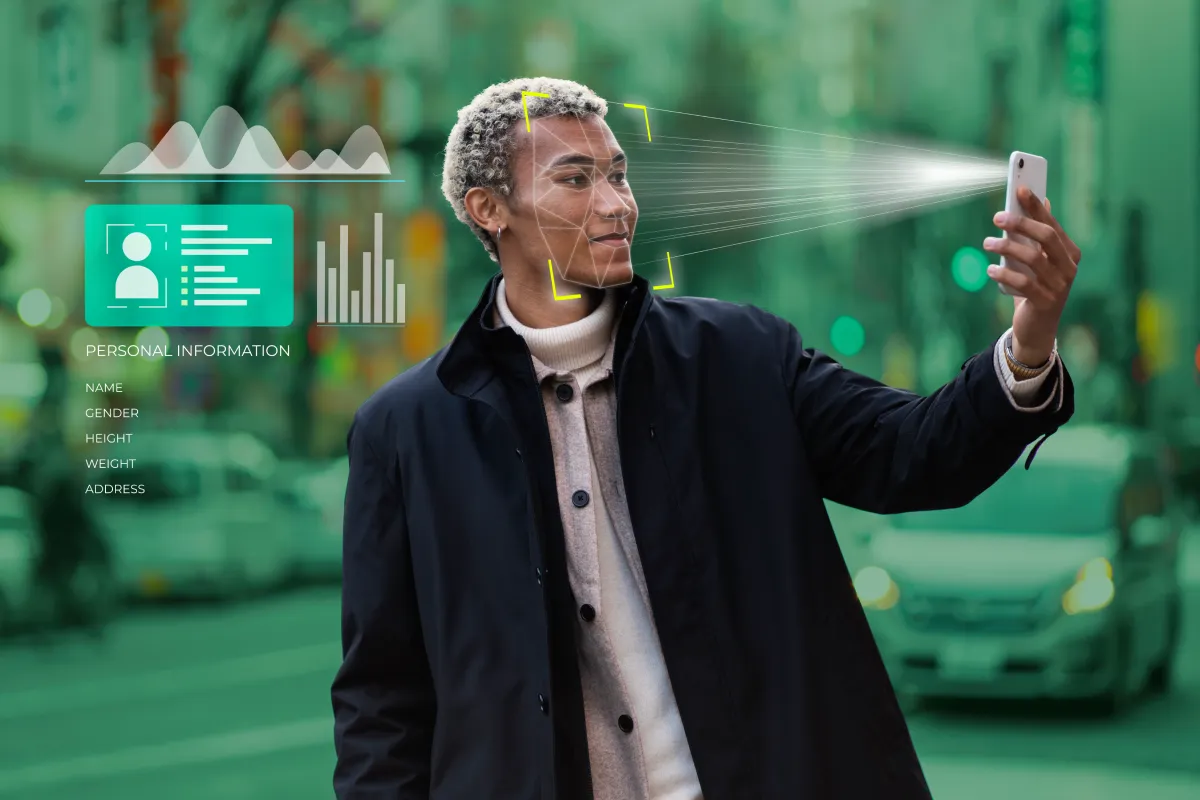
They replace passwords and seed phrases with biometrics – your face, your fingerprint, your device – backed by cryptographic security that never leaves your phone or laptop.
– You don’t remember anything.
– You don’t write anything down.
– You just tap to access.
The FIDO Alliance reports that passkey adoption grew by 240% in 2024, and now over 1 billion devices (Apple, Google, Microsoft) support passwordless login. Meanwhile, Statista predicts that by 2027, more than 60% of fintech and crypto apps will switch to biometric or passkey-based authentication.
It’s not just safer – it’s human.
What fintech already figured out
Fintech has known for years that trust starts with comfort.
Apps like Revolut, Wise, and Cash App didn’t win because of innovation — they won because they made something complex feel simple.
Crypto is finally catching up.
According to Chainalysis (2024), DeFi wallet usage grew 35% year over year, thanks to cleaner interfaces and mobile-first experiences. Wallets like ZenGo, NonBank, and Rabby now skip seed phrases entirely, relying on encrypted recovery and device authentication instead.
The result?
Wallet retention rates are climbing, and users actually finish onboarding. In fintech terms, UX is finally starting to do for ownership what it once did for payments.
The real future: when crypto feels invisible
Here’s the thing – the next generation of users doesn’t care about blockchains, private keys, or gas fees. They care about trust and ease. They want to open an app, see their balance, move their money, and feel safe doing it – just like they do with their neobank.
“Crypto will become mainstream when it stops feeling like crypto. Because at the end of the day, people don’t want to think about “decentralization.” They just want things to work.”
Andrii Bruiaka, co-founder of onicore.io, said.
The bottom line
The next wave of crypto adoption won’t come from regulation or yield – it’ll come from empathy. From design that understands fear and builds around it. From tools that combine freedom with reassurance. We don’t need to convince the world to trust crypto. We just need to make it trustworthy to use.