
When you shop online today, choosing a product often marks the beginning instead of the end of the buying process. Many brands now let you decide how that product should look, feel, or function before you place your order.
You get to select the colors, materials, sizes, finishes, or features that fit your needs instead of settling for a standard version. As more shoppers look for products that show their personal preferences, businesses across industries are making customization a central part of the customer experience.
The growing popularity of build-your-own shopping didn’t happen by chance, and the reasons behind its adoption reveal where modern e-commerce is headed.
The Shift From Fixed Products to Customer-Led Shopping
Not long ago, online shopping gave you a simple choice… browse a catalog, pick the version that looked closest to what you wanted, and place your order. If the color wasn’t right or the size, material, or features didn’t suit your needs, your only option was to keep looking or settle for what was available.
That approach worked when shoppers had fewer expectations and brands focused on selling the same products to everyone. Today, people expect a buying experience that reflects their individual preferences. They want products that feel like they were made with their needs in mind, not pulled from a one-size-fits-all catalog.
Recent research from McKinsey shows how much those expectations have grown. About 71% of consumers expect companies to deliver personalized interactions, while 76% become frustrated when those expectations aren’t met.
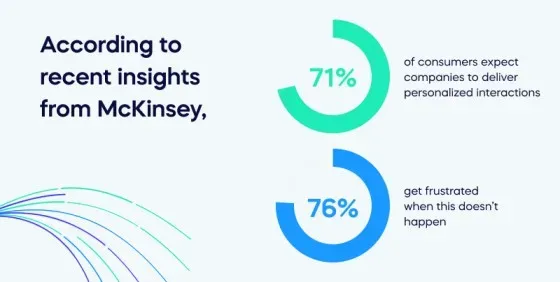
Those numbers make one thing clear — personalization has become an important part of the customer experience, not a feature that only stands out when it’s available.
Build-your-own shopping experiences have grown as a direct response to those expectations. Instead of asking you to choose from a handful of fixed products, brands now give you a chance to shape the final product before you buy it. Whether you’re selecting the fabric for a sofa, engraving a piece of jewelry, or configuring a laptop, the buying experience begins with your preferences.
Why Build-Your-Own Shopping Is Growing So Quickly
Here are some reasons why build-your-own shopping is growing.
Customers Expect a Personal Shopping Experience
Your shopping experience doesn’t begin and end with the product anymore. You expect brands to understand your preferences and give you choices that fit your needs. Streaming platforms recommend what to watch, music apps create playlists based on your listening habits, and online stores suggest products you’re likely to buy.
That same expectation now extends to the products themselves. Instead of choosing from a few fixed options, many shoppers want the freedom to customize what they’re paying for. A sofa that matches your living room or a ring engraved with a meaningful date feels far more personal than a standard version sitting in a catalog.
Josh Lingenfelter, Founder of Card Track, saw this expectation arrive in collectibles years before mainstream retail. “The moment we let collectors see their own cards and their own values on the screen, generic price pages died for them overnight,” he said. “That’s the bar now for any store. The first screen should show the shopper, not the catalog. Even one small personal touch there, their saved build, their size, their last choice, changes how long they stay.”
Technology Has Made Customization Easier Than Ever
Offering customized products once required a slow and expensive process. Today, businesses have access to tools that make customization much easier to manage. Product configurators let shoppers select colors, materials, sizes, and features while seeing the final product update instantly. Three-dimensional previews help customers examine products from different angles before placing an order, reducing uncertainty about what they’ll receive.
AI adds another layer by recommending options based on previous selections and guiding customers toward combinations that make sense. On the business side, modern manufacturing systems can handle made-to-order products far more efficiently than they could a decade ago.
There’s a catch with that AI layer, according to Jared Rhizor, Founder of Elmo, Open Source AI visibility tracker. “More buying journeys now start inside an AI answer instead of a search results page,” he adds. “The problem is that most configurator options live inside images and dropdown menus, and AI tools can’t read either. Write your options out in plain text somewhere on the page, sizes, fabrics, finishes, because the brand whose choices are readable is the brand that gets recommended.”
Customers Are Willing to Spend More on Customized Products
People don’t just enjoy customization, they often see enough value in it to pay a higher price. When a product reflects their personal preferences, many shoppers view it as worth the additional cost because it feels like a better fit for their needs. Research shows that about 81% of consumers are willing to pay more for customized clothing, 79% for customized footwear, 76% for customized furniture, and 77% for customized fashion accessories and jewelry.
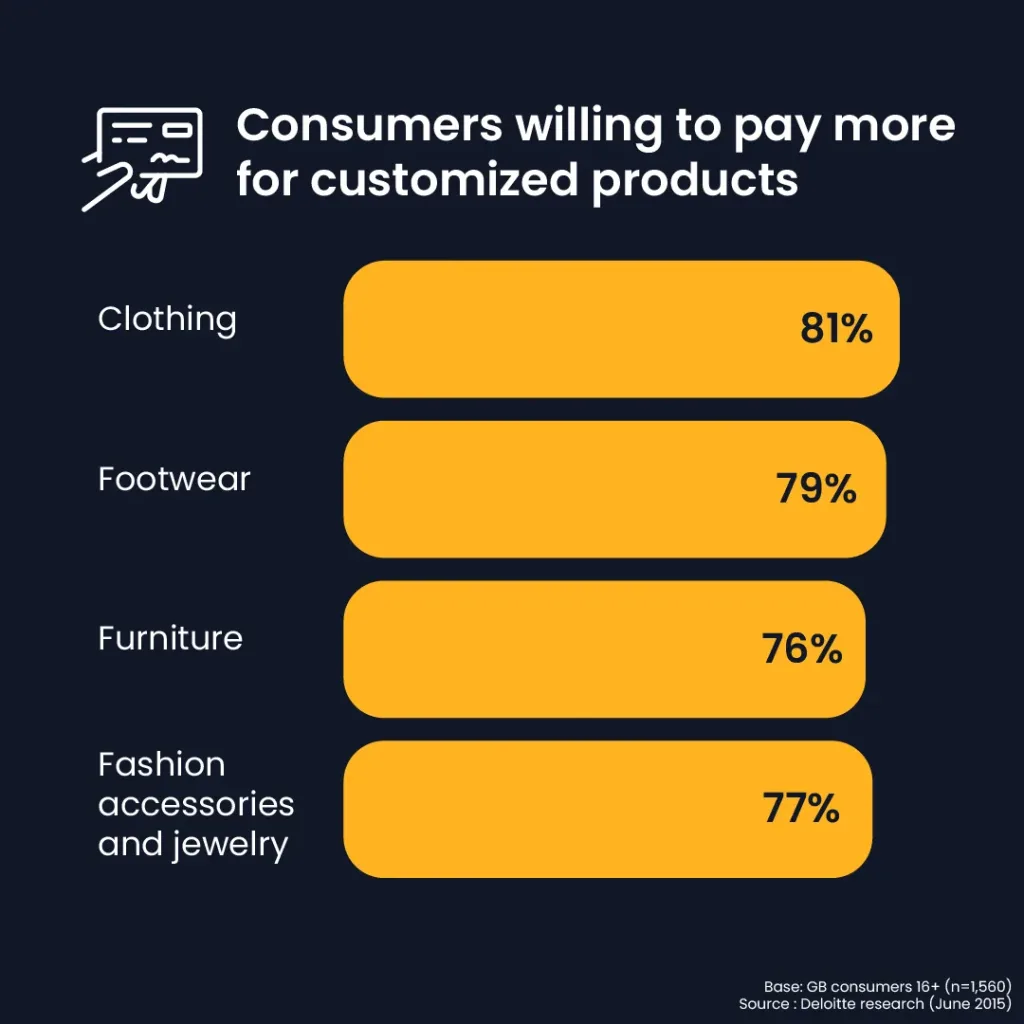
Those numbers help explain why personalization changes how people make purchasing decisions. Brandon Black, Vice President of Marketing of Ammunition To Go, sees the same buying behavior in a market where customers choose products based on exact specifications. “Nobody buying ammunition swaps grain weight to save two dollars, because the wrong spec is useless to them. That’s what customization does to any product. Once the shopper has defined their exact version, cheaper alternatives stop being alternatives. Stores should push shoppers toward specifics early, ask the room size, the use, the fit. Because a buyer with specifics has already left the discount aisle.”
For many businesses, that change is exactly what makes customization valuable. Once customers build a product around their own needs, they tend to compare how well it fits their requirements instead of simply looking for the lowest price.
Businesses Need Better Ways to Stand Out
Online shopping has become more competitive every year. Customers can compare prices, read reviews, and switch to another seller within seconds. That makes it difficult for businesses to rely on price alone to win sales. Build-your-own shopping offers a different way to compete. When customers spend time selecting materials, colors, or features, they become more involved in the buying process and develop a stronger connection with the product before it even arrives.
“Small stores keep trying to out-discount the marketplaces, and that fight has one ending,” said Oscar Fullmer, Co-Founder of Fast Hippo Media. “The customization option is the one ad angle a marketplace listing can’t answer back. Put ‘built your way’ in the headline instead of another percentage off, and let the big sellers keep fighting over the same coupon shoppers.”
That experience is difficult for competitors to copy with standard product listings. It gives businesses an opportunity to offer something customers remember instead of another item that blends into a long list of similar products.
Customers Want Greater Confidence Before They Buy
One of the biggest reasons people hesitate before buying online is uncertainty. They wonder whether the product will match their expectations once it arrives. Build-your-own shopping helps reduce that uncertainty by giving customers greater control over the final product. Instead of hoping a standard version meets their needs, they choose the details themselves before placing an order.
Many customization tools show updates in real time, allowing shoppers to review every choice before completing their purchase.
“A preview that flatters the product is a return waiting to happen,” said Marissa Burrett, Lead Design for DreamSofa. “Renders get polished until the velvet glows, then the real sofa shows up in a normal living room and loses the comparison. Shoot the fabric in daylight and lamp light, show the seams up close, let the preview be honest. The order that matches its picture is the order nobody sends back.”
That extra confidence often leads to a smoother buying experience because customers know exactly what they’re ordering.
Why Personalized Shopping Creates Better Buying Experiences
Let’s see why personalization shopping creates better buying experiences.
Get a Product That Fits Needs
One of the biggest frustrations with online shopping comes from buying a product that almost fits your needs but misses in one or two important ways. Maybe the size isn’t right, the color doesn’t match your space, or the features aren’t exactly what you wanted.
Personalized shopping solves much of that problem by letting you make those decisions before you buy. Instead of picking the closest option from a catalog, you choose the details that work for you. That makes the final product feel like a better fit because it reflects your own preferences. Research backs up how much shoppers value this kind of experience. Around 80% of consumers are more likely to purchase from brands that offer personalized experiences.
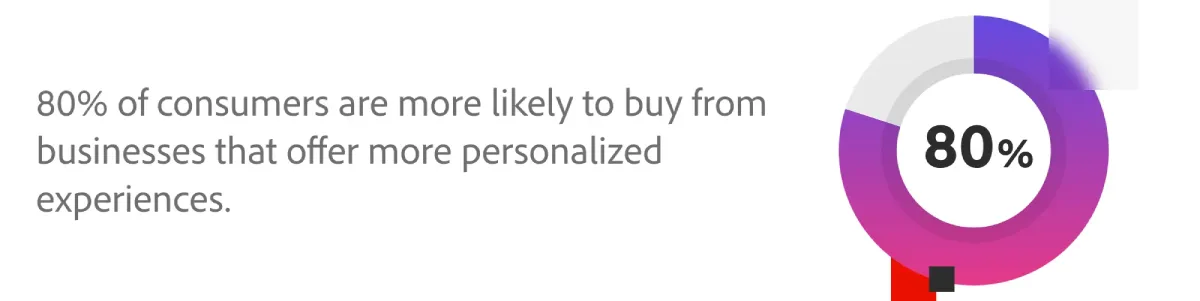
When people feel they have greater control over what they’re buying, they often feel more confident clicking the checkout button.
Spend More Time Exploring the Product
Personalized shopping naturally encourages you to spend more time learning about a product before making a purchase. As you compare materials, colors, sizes, and features, you become familiar with the different options available and how each choice affects the final product.
A smooth experience keeps people exploring longer. Julian Tillotson, CEO & Founder of Indirap, notes, “Every extra step in a customization process should feel quick and effortless. When previews update instantly and choices are easy to understand, people stay engaged and continue exploring different options. Even small delays can interrupt that experience and reduce interest. We’ve seen the same pattern while producing videos designed to hold viewers’ attention.”
That extra time isn’t wasted. It helps you make a better-informed decision because you’ve explored the product from multiple angles instead of making a quick purchase based on a few photos. Interactive tools, visual previews, and guided recommendations keep customers engaged throughout the buying process.
Buying Decisions Feel Less Uncertain
Shopping online always comes with a degree of uncertainty because you can’t touch or test the product before it arrives. Personalized shopping helps reduce that uncertainty by giving you a clearer picture of what you’re ordering. Many brands let you customize products while showing real-time previews, making it easier to review every detail before placing an order, says Ákos Doleschall, Managing Director at Hustler Marketing.
Instead of hoping the standard version meets your expectations, you know exactly which materials, colors, sizes, or features you’ve selected. That extra visibility helps people feel more comfortable with their purchase. When customers understand what they’re getting, they spend less time second-guessing their decision. The buying process becomes smoother because confidence replaces guesswork, leading to a better overall shopping experience from start to finish.
The Shopping Experience Feels More Personal
Personalized shopping creates an experience that feels built around you instead of treating every customer the same. Whether you’re designing a piece of furniture, selecting gemstones for a ring, or choosing the finish on a kitchen cabinet, your decisions become part of the final product. That creates a stronger connection because the purchase reflects your personal style and needs.
The product no longer feels like something chosen from a shelf. It feels like something you helped create.
That feeling of creating something personal often gives people a reason to talk about their purchase long after it arrives. Rameez Ghayas Usmani, Award-Winning HARO Link Builder & CEO of HARO Link Building, believes brands often overlook that value. “People rarely tell their friends about buying another standard product. They talk about the one they helped design because it feels personal. We’ve noticed the same pattern while earning media coverage for brands. The stories journalists choose usually start with a real customer experience, not the product itself.”
To Sum it Up
Build-your-own shopping experiences have grown because people want products that fit their needs instead of forcing their needs to fit the product. As customer expectations continue to grow, businesses that offer personalization will have a stronger chance of winning attention, building trust, and keeping customers coming back.
Whether you’re selling furniture, jewelry, clothing, or technology, giving customers a say in what they buy has become a practical way to create a better shopping experience. For many brands, customization is quickly becoming part of the new standard for e-commerce.